
Time: How We Learned to Measure It and Why It Matters More Than Ever
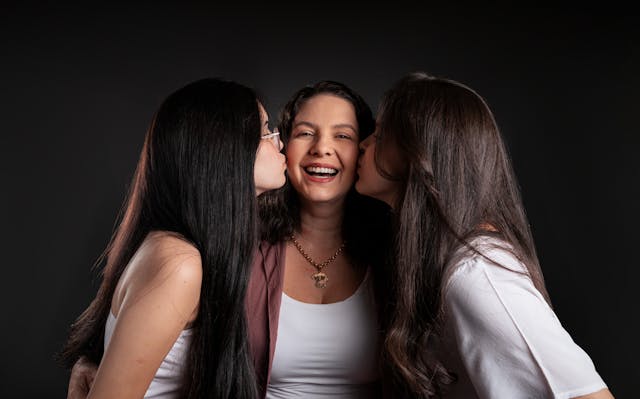
Time has been with us since the moment we were born. It shapes our days, defines our routines and quietly reminds us that everything moves forward. We measure it, chase it, lose it and sometimes try to save it. But have you ever wondered how it all began? The story of how we learned to measure time is, in many ways, the story of how we learned to value life itself.
From Watching the Stars to Watching the Clock
Since the dawn of civilisation, humans have looked up at the sky, following the movement of the sun and the moon to understand the passing of days and nights. The ancient Egyptians could predict the flooding of the Nile by studying the stars. The Babylonians divided the day into twenty-four hours, the Greeks studied the equinoxes, and the Romans measured the passing hours with sundials that cast shadows on carved stone surfaces.
This early attempt to bring order to chaos was, in truth, a deeply human need — to put boundaries on the invisible. Time cannot be touched or seen, yet we feel it moving with relentless precision. Perhaps that is why we turned it into numbers, calendars and clocks: to try, somehow, to tame it.
The First Clocks: When Time Took Shape
For centuries, humankind invented new ways to measure the passing of time with greater accuracy. Water clocks — or clepsydras — marked a turning point, with the steady flow of water symbolising the movement of minutes. Later came sandglasses, candle clocks and even fire clocks, which measured time by the burning of a wick.
It was during the Middle Ages that time began to tick in the way we know it today. The first mechanical clocks appeared in European monasteries: great structures of gears and pulleys that rang bells to mark the hours. They were imperfect, but revolutionary. For the first time, humanity could divide the day without looking at the sky.
Centuries later, pocket watches and, eventually, wristwatches turned time into a personal companion. No longer just a tool, the clock became a symbol. Wearing a watch meant having control over one’s day — being able to arrive, decide, plan. Time was no longer a natural rhythm; it became something we owned.
The Value of Time in the 21st Century
Today, we live surrounded by clocks — on our phones, our computers, our appliances and our cars. Time is no longer simply measured; it is monitored. We track it with digital precision, and yet it always seems to slip through our fingers.
Time has become a kind of currency. We invest it, spend it, waste it. We talk about “quality time”, “saving time” or “killing time”, as if it were something we could store or reclaim. But unlike money, time only moves in one direction.
In a society that pushes us to be constantly productive, reclaiming awareness of time has become an act of balance. Taking a moment to pause, to watch the sunset, to share a meal without checking the clock — these are not wasted moments. They are ways of giving time back to ourselves.
Measuring Time… or Living It
Throughout history, humanity has perfected clocks, calendars and methods of measurement, but what truly matters is not how precisely we count the seconds — it’s what we do with them.
Time remains both the rarest and the most equal of all possessions. No one has more hours in a day than anyone else. The difference lies in how we choose to live them. Perhaps the real progress is not in atomic clocks or perpetual calendars, but in learning to give meaning to every passing minute.
A Final Reflection: Time Well Spent
In a world that urges us to hurry, produce and pursue endless goals, we often forget that the most valuable time is the one we dedicate to ourselves and to those we love. Spending an afternoon with a friend, reading a book without checking your phone, or enjoying a slow meal with family are simple acts that bring us back to what truly matters.
Life isn’t about collecting working hours or chasing the illusion of success. It’s about living the present moment with awareness and giving value to experiences that will never return. In the end, time is not measured in seconds or clocks, but in memories, laughter and moments shared. And that, without question, is time well spent.